An independent investigator from the United Nations (UN) has alleged that Afghanistan’s Taliban rulers are committing ‘crimes against humanity’ by ‘weaponizing’ the country’s legal and judicial system to oppress women and girls.
Richard Bennett, the U.N. human rights investigator on Afghanistan, said in a report circulated Wednesday to the U.N. General Assembly that after taking power in 2021, the Taliban suspended the 2004 constitution and laws protecting women and girls. These include a landmark law criminalizing 22 forms of violence against women, including rape, child marriage, and forced marriage.
Acccording to NBC News, The Taliban dismissed all judges from the previous U.S.-backed government, including roughly 270 women, replacing them with men who share the Taliban’s extreme interpretations of Islam, lack legal training, and issue rulings based on edicts rather than established law, Bennett said.
He added that the Taliban have taken full control over law enforcement and investigative agencies, systematically purging staff who served under the prior government.
Bennett, appointed by the Geneva-based U.N. Human Rights Council, focused on women’s access to justice and protection. He conducted meetings, focus groups, and one-on-one interviews with over 110 Afghans both inside and outside the country, carrying out the work remotely because the Taliban denied him a visa to enter Afghanistan.
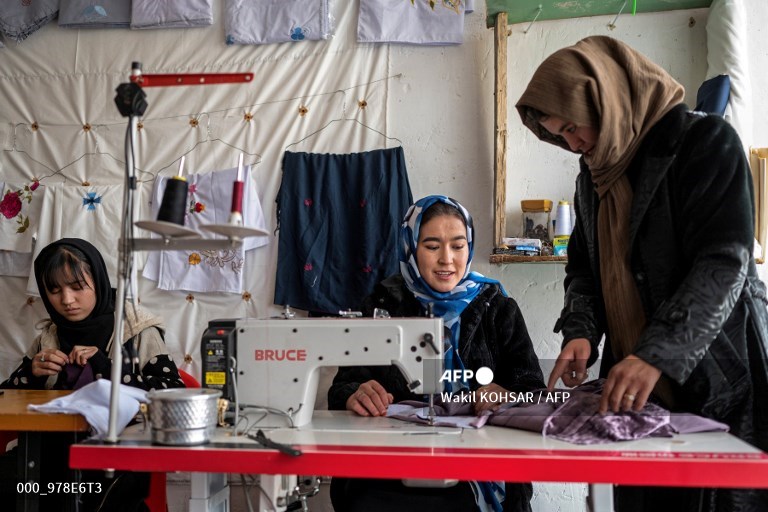
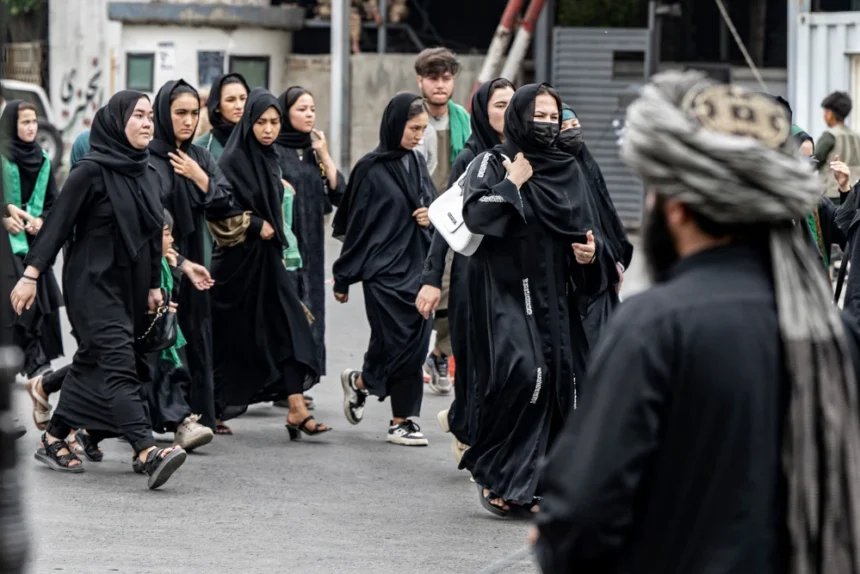
Since the Taliban’s return to power, their crackdown on women and girls has been widely documented and condemned internationally. Education beyond sixth grade has been banned for women and girls, most employment opportunities denied, and access to public spaces restricted, including parks, gyms, and hair salons. New regulations also forbid women from appearing in public without covering their faces or using their voices freely.
The Taliban remain largely isolated from the West due to these restrictions, with recognition limited mainly to Russia.
Bennett noted that the Taliban did not respond to an advance copy of the report or to requests for information about measures to ensure women’s access to justice and protection. While the Taliban claim their actions reflect Islamic sharia law, scholars and observers argue their interpretation is extreme compared with other Muslim-majority countries and disregards Islamic teachings on women’s rights.
Baca juga:
Bennett highlighted that women in Afghanistan now have virtually no legal rights. “Today, there are no women judges or prosecutors and no officially registered female lawyers, leaving women and girls with fewer safe channels to report abuse or seek redress,” he wrote. The absence of female officials in the police and other institutions has contributed to widespread underreporting of violence and discrimination.
He further explained that dismantling key legal protections and institutions for children, including juvenile courts and rehabilitation centers, has eroded girls’ access to justice. Restrictions requiring women to be accompanied by a male relative create additional barriers, disproportionately affecting widows, female heads of households, displaced persons, and women with disabilities.
“Women who engage with the Taliban court system — whether as victims seeking redress, to resolve family matters, to obtain official documents, or as alleged offenders — face a hostile environment,” Bennett said. Courts frequently reject complaints from women and are especially reluctant to hear cases concerning divorce, child custody, or gender-based violence.
Given these obstacles, many women increasingly rely on traditional or informal justice systems, such as formal jirgas, shuras, or mediation by religious or community elders. However, these are male-dominated and raise significant concerns regarding women’s rights.
Bennett pointed to international forums as the best avenue for justice. He highlighted the International Criminal Court’s request on January 23 for arrest warrants against two senior Taliban leaders accused of crimes against humanity based on gender persecution. He urged all countries to support efforts to bring Afghanistan before the International Court of Justice for violating the Convention on the Elimination of All Forms of Discrimination Against Women.