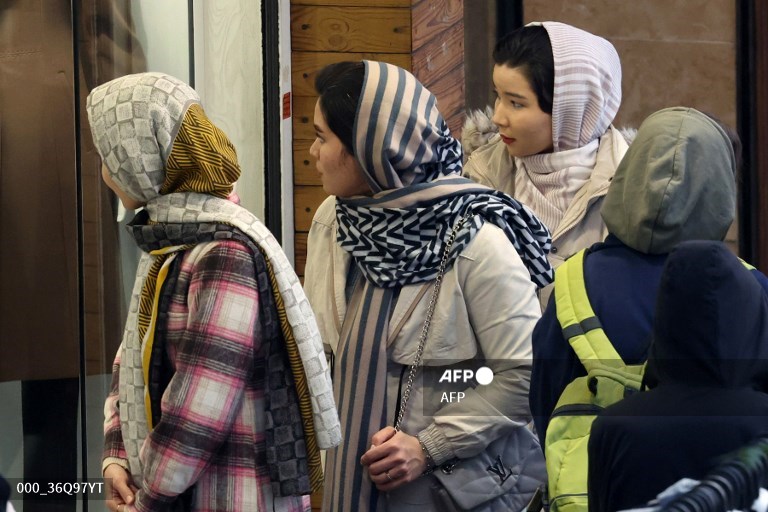

Ramadan is meant to be a month filled with blessings, tranquility and rewards.
Yet many Muslim women feel an emptiness in their hearts, as if fasting does not bring the peace they expected. Why does this happen?
Lets explores the causes and ways to restore spiritual warmth during this blessed month.
1. Focusing only on physical fasting, not spiritual growth
Many people concentrate on abstaining from food and drink, but forget that Ramadan is a month to strengthen the relationship with Allah and with oneself. Physical fasting without the right intention or additional acts of worship such as night prayers, dhikr (remembrance of Allah) and reading the Quran can sometimes leave the heart feeling empty.
Tip:
Set your intention daily: “I fast for Allah, to draw closer to Him.”
Make sahur and iftar moments for brief reflection and heartfelt supplication.
2. Lack of daily dhikr and du’a
An empty heart often results from a lack of communication with Allah. Even if we fast, if our hearts rarely engage in dhikr, du’a, or reflection, feelings of emptiness may arise.
Tip:
Start your morning with a short prayer for a peaceful heart.
After each obligatory prayer, spend 5–10 minutes in dhikr and reflection.
Create a personal list of du’a for each day of Ramadan.
3. Being overwhelmed by worldly matters
Ramadan is not the time to be overly consumed with work or Eid preparations. A heart burdened by worldly concerns can feel spiritually drained. If daily thoughts revolve only around food, clothes or expenses for Eid, spiritual fulfillment may feel lacking.
Tip:
Set a daily schedule: allocate time for worship and work.
Use an app or planner to track daily acts of worship.
Reduce unnecessary social media scrolling.
4. No self-reflection (muhasabah)
Ramadan is a time for introspection. Emptiness can arise when we do not take time to assess our deeds, sins and personal growth. Without reflection, worship can become a hollow routine.
Tip:
Spend 10 to 15 minutes before bed reflecting on your day.
Write down habits or sins you want to improve and set small goals.
Read short tafsir or relevant advice from scholars.
5. Neglecting social and family relationships
The human heart also needs love and positive connection. If Ramadan is spent in isolation without communication with family or spouse, loneliness may creep in. Spiritual well-being is nurtured not only through worship, but also through healthy relationships.
Tip:
Break your fast with family whenever possible.
Stay in touch with loved ones regularly.
Practice small acts of worship together, such as making a short du’a before iftar.
6. Lack of gratitude
Sometimes the heart feels empty because we forget to be grateful for Allah’s blessings. Dissatisfaction grows when we focus only on what we lack of.
Tip:
Every night, write down three things you are grateful for.
Recite a prayer of gratitude after obligatory prayers.
Train yourself to notice small blessings, not just the big ones.
7. Ignoring physical and mental health
The heart and body are interconnected. Lack of sleep, poor sahur nutrition or excessive fatigue can contribute to feelings of emptiness and stress. Ramadan is not an excuse to neglect your health.
Tip:
Get at least six to seven hours of sleep.
Eat a balanced sahur meal (protein + carbohydrates + fruits).
Take short breaks and perform Duha prayer to refresh yourself.
An empty heart during Ramadan is often a sign to improve our worship and strengthen our relationship with Allah and ourselves.
The heart can regain its warmth and experience the true blessings of this sacred month through reflection, du’a, dhikr and proper time management.-Muslimah